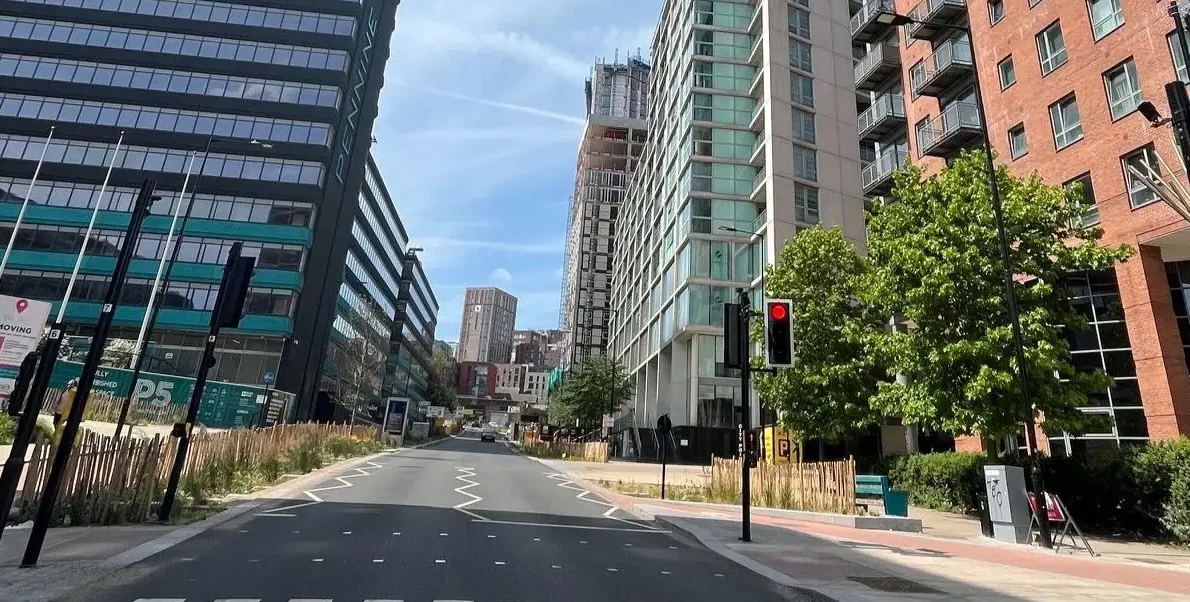

Sheffield’s Broad Lane corridor is transforming into a vibrant, walkable neighbourhood with new developments like True Sheffield and Soho Yard, enhancing the city’s appeal and retaining talent through a blend of culture and modern urban design.
Once just an anonymous passage, it is quietly becoming a symbol of Sheffield’s new identity. This transformation is more than just new buildings; it’s a strategic response to a city-wide vision aimed at making Sheffield a global destination.
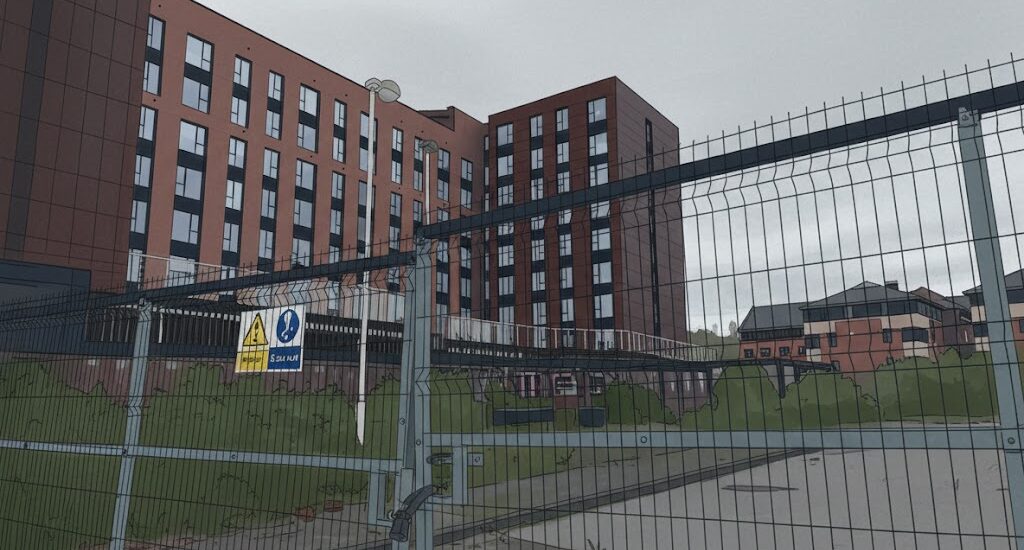
Spearheaded by projects like the 28-story True Sheffield student tower and the expansive Soho Yard residential complex, this area is rapidly gaining density and a vibrant cultural life. But what makes this development significant is that it’s not happening in isolation. It’s an early, critical step in the city’s official mission to become a “fair, green and creative Sheffield” with “neighbourhoods where people want to live, work and visit.”

For years, Sheffield has struggled with retaining its talent, losing graduates and young professionals to cities like Manchester, Leeds, and even those in Europe. The new city strategy aims to reverse this trend by building high-density, mixed-use urban spaces that feel more like the dynamic European cities young people are drawn to.
The £300 million West Bar Square project is the perfect test case for this strategy. Instead of sprawling, car-dependent developments on the city’s outskirts, this project prioritises dense, walkable living, a model once reserved for places like Amsterdam or Copenhagen. With its flagship residential block, Soho Yard, and plans for office space and public squares, it’s a living blueprint for modern urban living in South Yorkshire.
This isn’t just about new real estate; it’s about cultural integration. The hybrid energy of the neighbourhood is evident in its small businesses. You can get single-origin espresso at Smith St Coffee Roasters and then a classic ale at The Crow Inn, all on the same street. This mix of old and new—what the article calls “urban layering”—is a powerful ingredient in creating a genuinely distinctive and appealing place.

The influx of purpose-built student housing and the growth of independent businesses, such as The Hide and Perch Brewhouse, are key to this strategy. They provide the social infrastructure that makes a city feel rich and lived-in, and they signal that Sheffield is a place of creativity and possibility, where a skilled workforce and innovative people can find a home.
While Kelham Island set the bar for post-industrial regeneration, Broad Lane offers a model for the future. It demonstrates how the city can build more inclusively and sustainably by blending student energy with cultural life and large-scale investment with local character. If Sheffield can replicate this model throughout its inner ring, it will have succeeded in remaking itself—not just as a modern city, but as a unique and compelling one that its people, and its talent, will want to call home.